


Sweet Pea 'Alisa'
'Alisa' Sweet Pea Seeds
Lathyrus odoratus
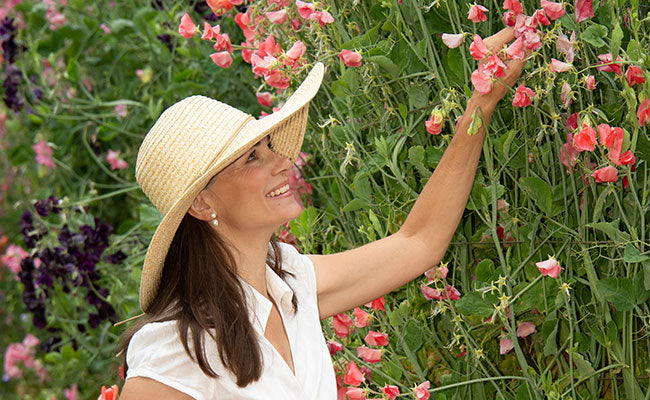
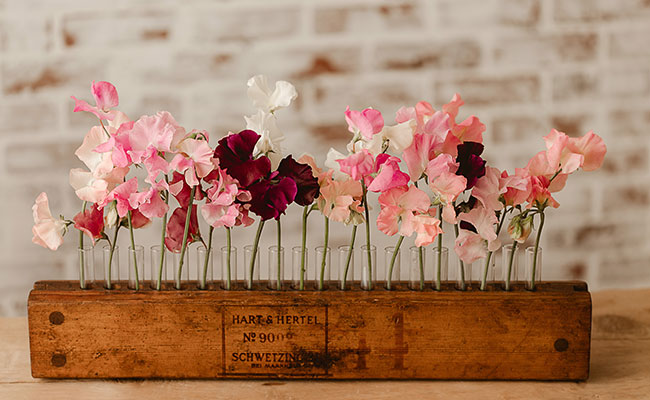
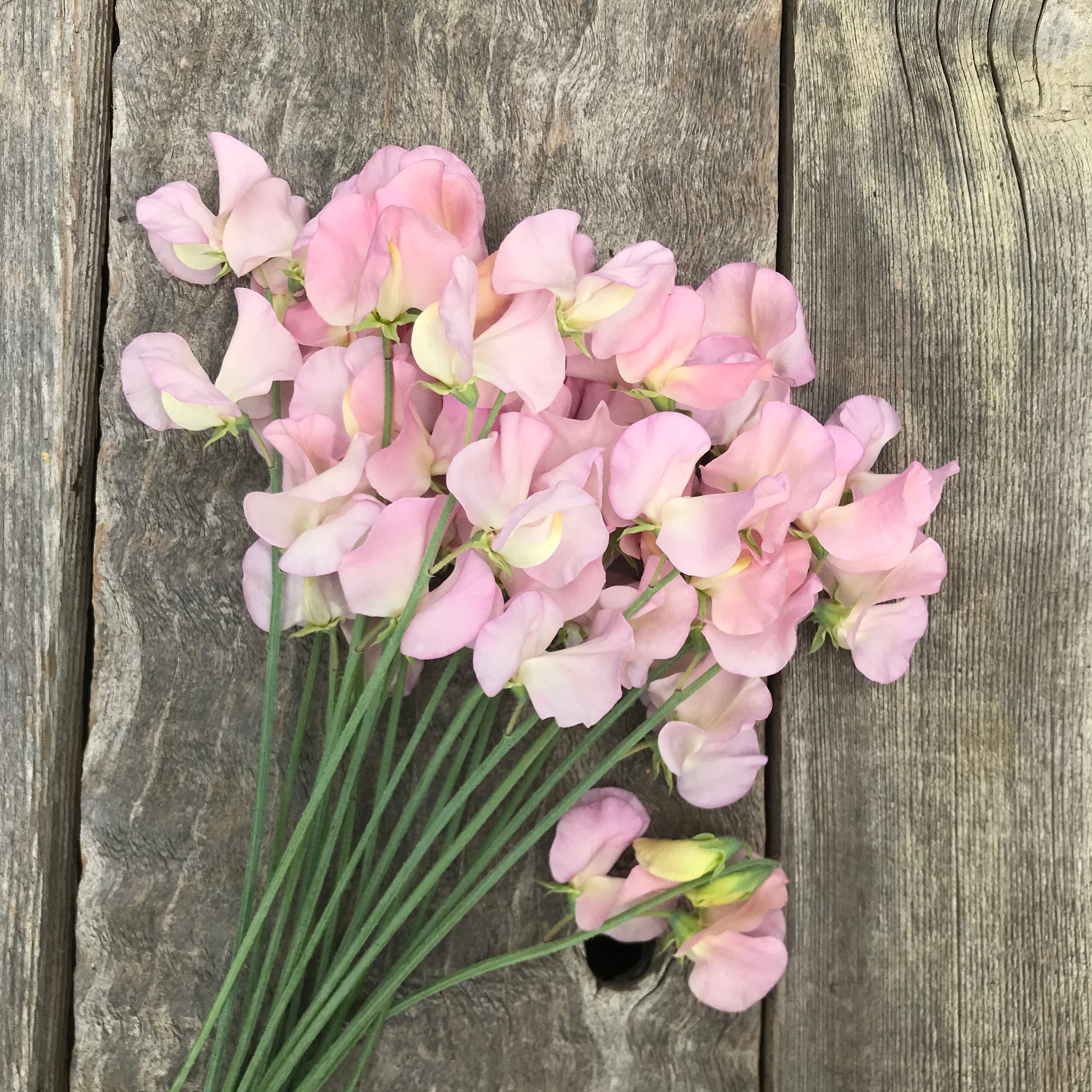
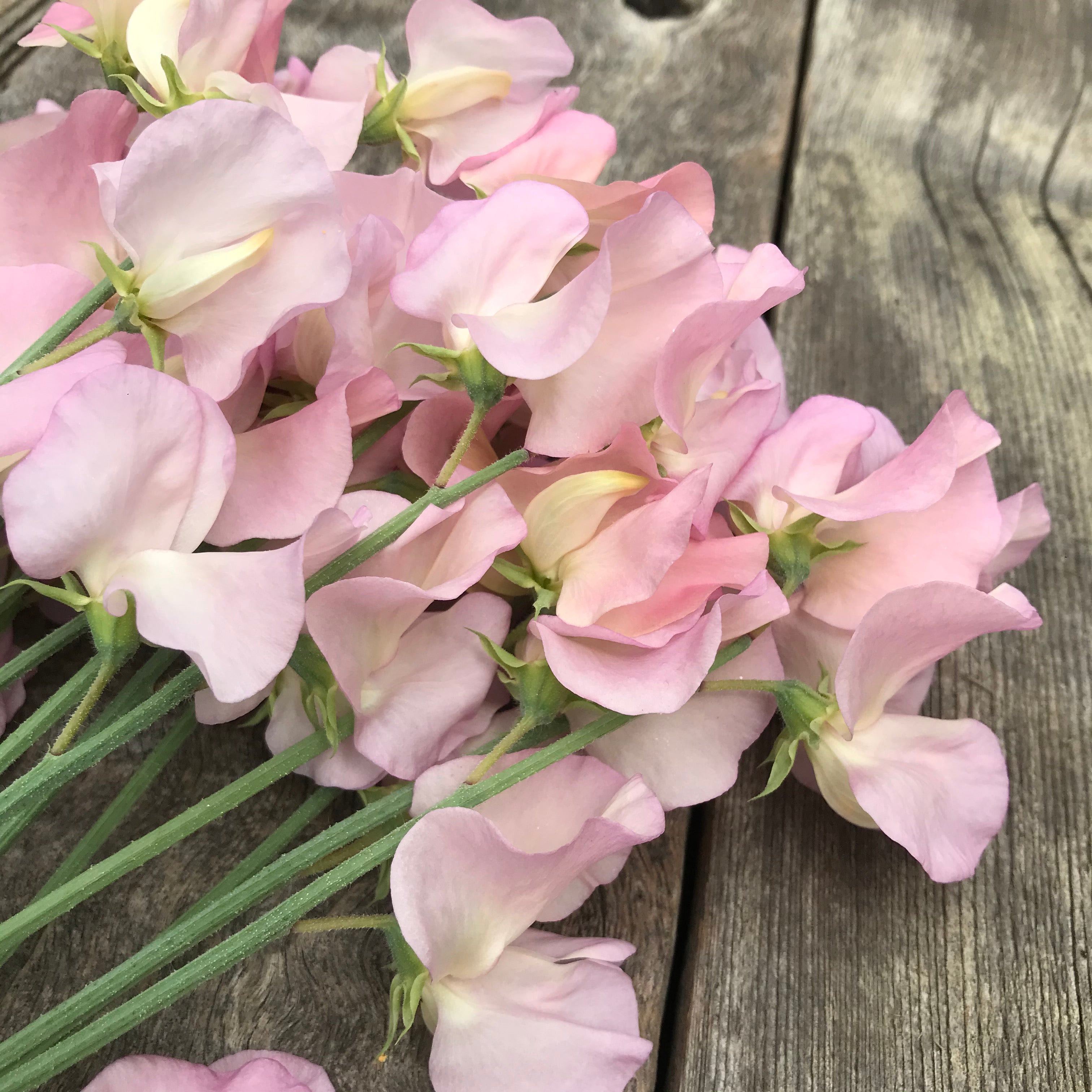
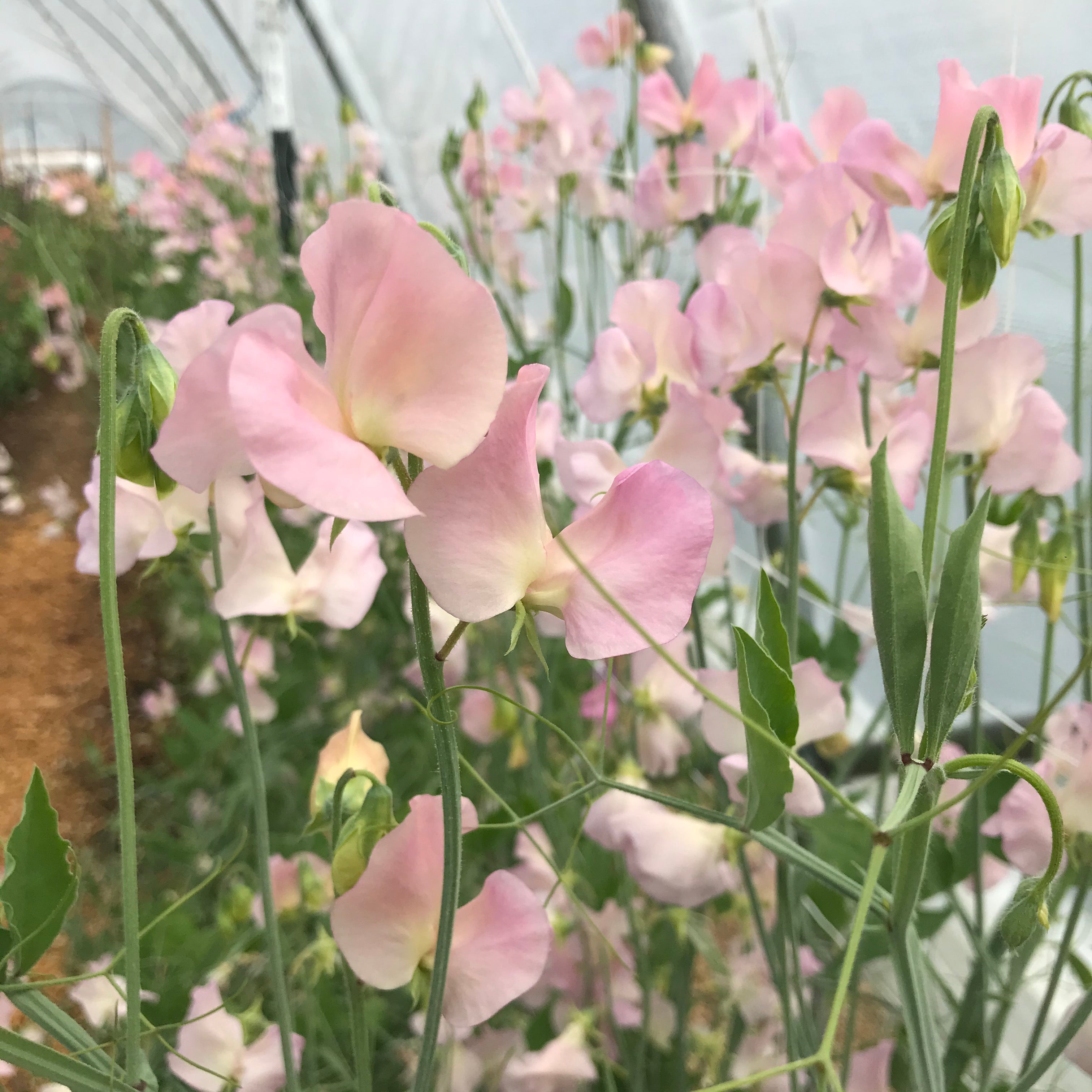
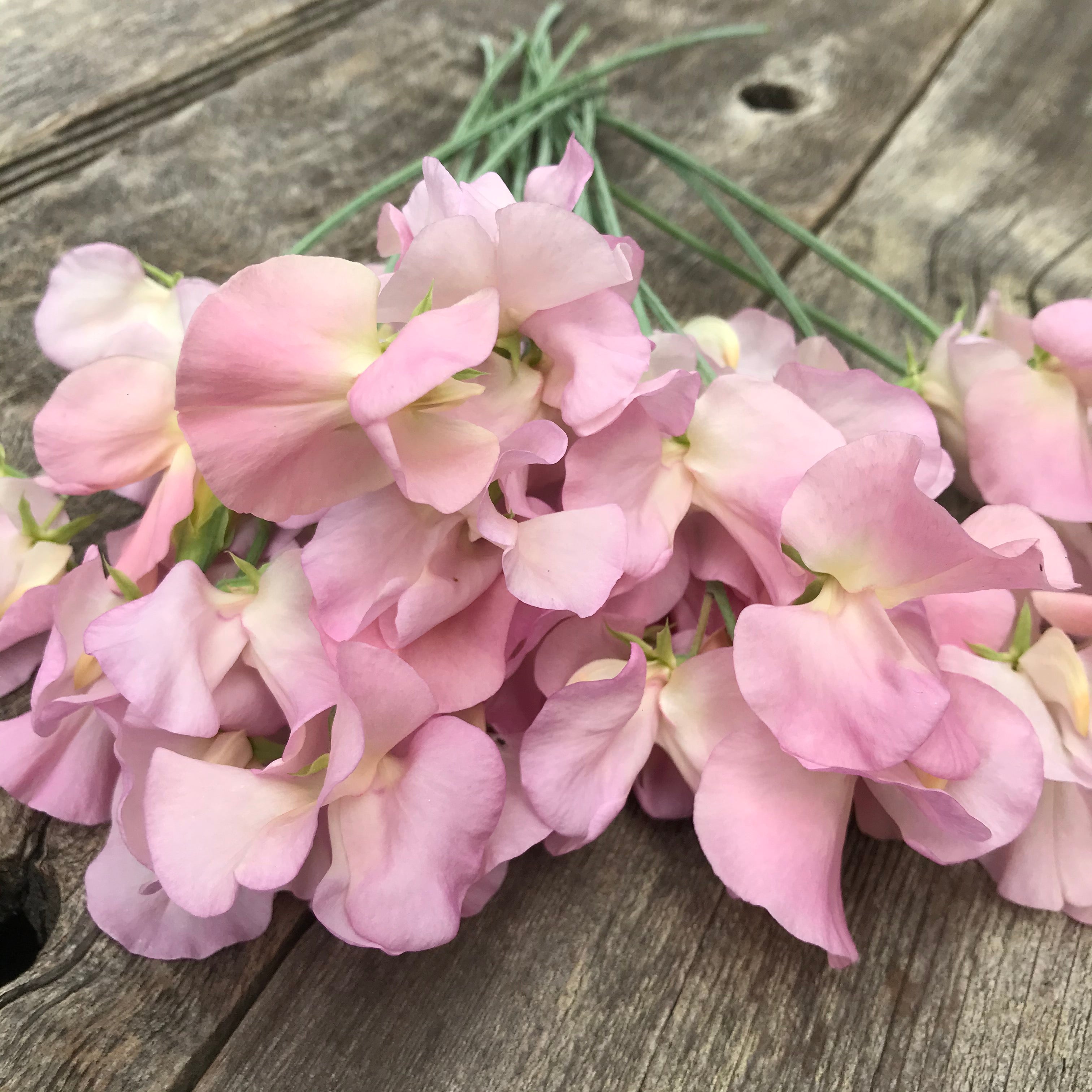
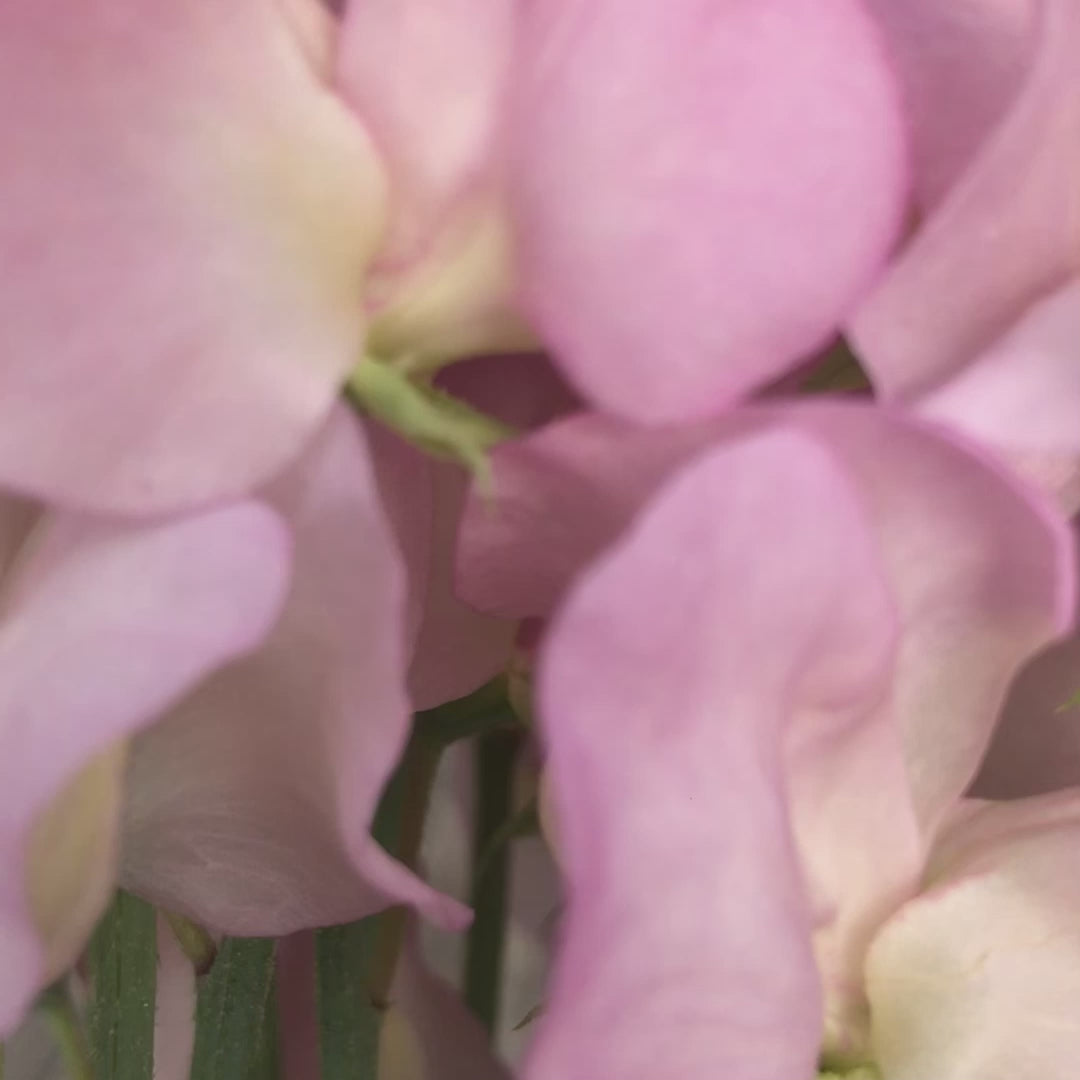
Sweet Pea ‘Alisa’ is a beautifully warm and versatile variety, with softly glowing mauve-pink petals surrounding an apricot-toned center. The coloring seems to catch the light, making it especially lovely in the garden and easy to blend into mixed bouquets.
A semi-grandiflora sweet pea with elegant flowers, medium to long stems, and a light fragrance. Its warm, nuanced coloring pairs beautifully with creams, blushes, mauves, apricots, and deeper tones.
An excellent choice for cutting gardens, floral arranging, or simply growing for armfuls of softly romantic blooms.
Details
Plant type: Hardy annual
Height: 6-8 feet
Plant spacing: 6-8 inches
Site: full sun (or partial afternoon shade in hotter zones)
Soil & Water: fertile and moist, but well-draining
Pinch: when there are 4 pairs of true leaves
Approx. 'Alisa' Sweet Pea Seeds per packet: 10
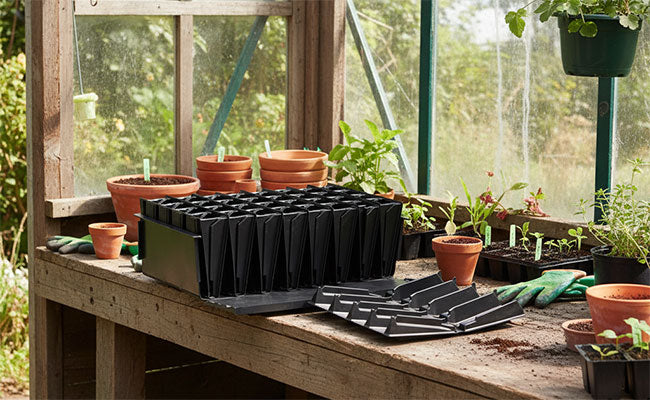
🌱 WHY WE START 'Alisa' SWEET PEA SEEDS IN ROOTRAINERS
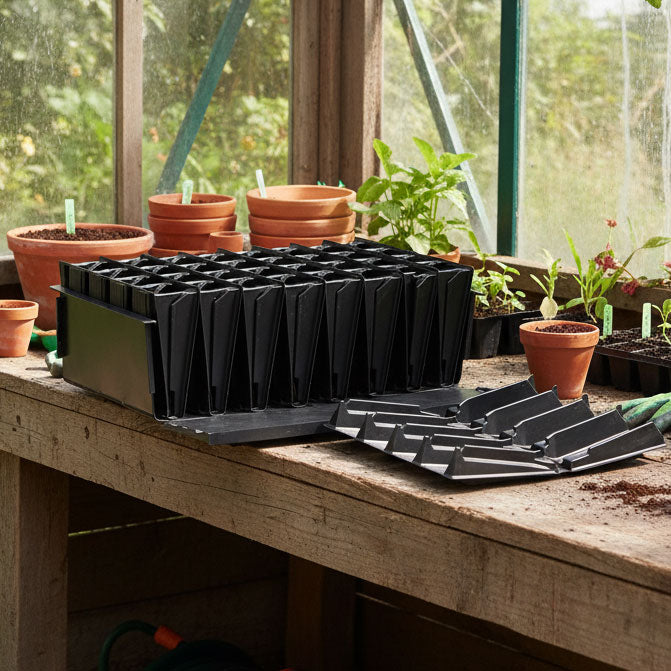
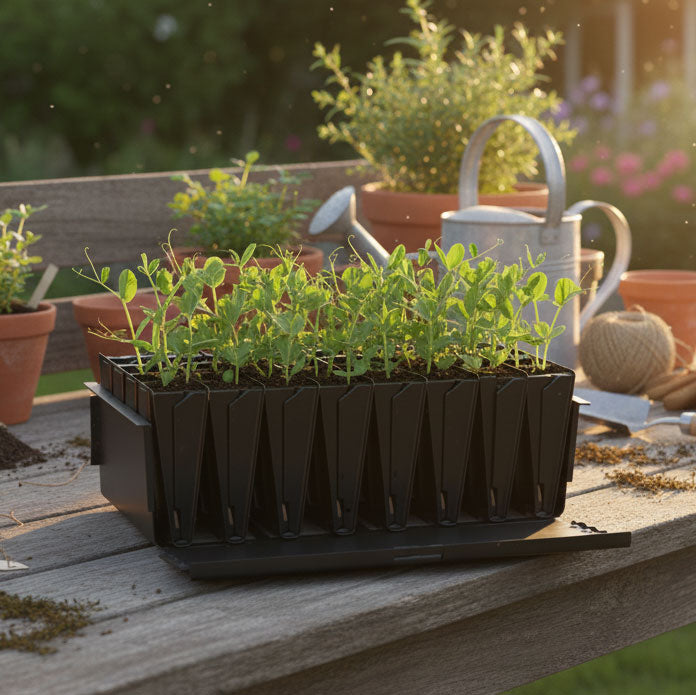
Like all sweet peas, 'Alisa' develops a deep root system quickly. Rootrainers encourage strong downward root growth and reduce transplant shock when seedlings are planted into the garden.
We start every Sweet Pea Gardens crop in professional Rootrainers and recommend them to gardeners who want stronger plants and more flowers.
From the Sweet Pea Library: More About 'Alisa'
Choose options
Safety: Sweet peas, just like many plants we grow in our gardens, are toxic. Sweet pea seeds and any part of the plant should not be ingested.
Recommended By Sweet Pea Gardens
Why We Use Rootrainers at Sweet Pea Gardens
Sweet peas develop long roots quickly. Rootrainers encourage deeper root growth and reduce transplant shock when planting into the garden.
These are the trays we use to start our own sweet pea crop each season.