



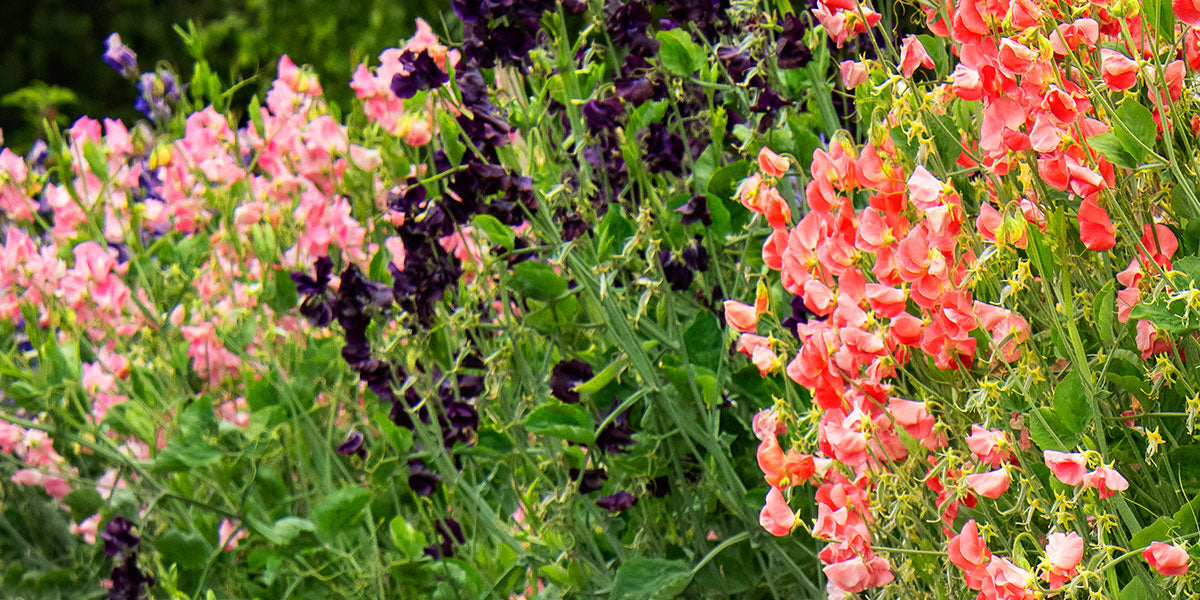
Why Didn’t My Sweet Peas Flower? The #1 Mistake You’re Making (And How to Fix It)
If you have spent months carefully tending to your sweet pea vines only to watch them produce lush green foliage but absolutely no blossoms, you are not alone. "Why aren't my sweet peas blooming?" is one of the most common questions from home gardeners and cut-flower enthusiasts alike.
While there can be a few environmental factors at play, the primary culprit for a lack of sweet pea flowers is almost always the same: the seeds were started too late, and the plants got too hot.
Here is a comprehensive guide to understanding why heat is the enemy of the sweet pea blossom, what causes the dreaded "bud drop," and actionable steps you can take to ensure a massive harvest of fragrant flowers next season.
The Biology of the Sweet Pea: Why Heat is the Enemy
To understand why your sweet peas failed to flower, you must first understand their natural growing preferences. Sweet peas are fundamentally cool-weather plants.
In their native Mediterranean habitat, they germinate during the cool, wet autumn and bloom in the mild spring.
When sweet peas are planted too late in the spring, their development cycle is pushed directly into the intense heat of summer. For the plant to successfully support its massive, moisture-heavy vines and produce large flowers, it absolutely must establish a deep, elaborate root system before the warm weather drives up the top growth.
If the weather becomes hot while the roots are still shallow, the plant's tissues will prematurely harden, stunting the vines and preventing them from setting healthy flower buds. In fact, just a few consecutive days of temperatures reaching 90°F (32°C) can completely devastate an outdoor sweet pea crop.
The Mystery of "Bud Drop"
Often, late-sown sweet peas will attempt to form flowers, but the grower never sees them. This is due to a highly common physiological stress reaction known as bud drop.
When a young sweet pea plant is subjected to sudden environmental stress—such as the intense, dry heat of early summer, erratic watering, or even dramatic swings between hot days and cold nights—the plant realizes it cannot sustain the energy required to bloom.
To protect itself, the vine simply aborts the process. The tiny, developing buds will turn a papery brown colour and fall off the stem before they ever have a chance to open.
How to Guarantee Sweet Pea Flowers Next Season
If late sowing and high heat ruined your sweet pea dreams this year, you can easily correct your strategy for next season by following these expert cultivation tips:
Sow Earlier
The most critical step is adjusting your timeline. In milder climates, you should sow your seeds in the autumn (October or November) and overwinter the seedlings in a cold frame. In colder regions, start your seeds indoors in late winter (January or February) so the plants are robust and ready to be transplanted outdoors as soon as the soil can be worked in the early spring.
Grow Them "Hard"
Do not coddle your seedlings in a warm, heated house. Young sweet peas need to be grown in cool, bright conditions (around 45°F to 50°F) to encourage strong root development rather than weak, sappy top growth.
Prepare Deep Soil
Because keeping the roots cool and moist is the secret to beating the heat, you must dig your garden beds deeply. Trench the soil up to two feet deep and incorporate plenty of rich, moisture-retaining organic matter before planting.
Choose the Right Classification
If you live in an area with very short, hot springs, do not plant standard Summer-flowering Spencer varieties. Instead, seek out Early Flowering or Winter Flowering strains. These specific varieties require fewer hours of daylight to initiate their blooming cycle, meaning they will flower much earlier in the season before the intense summer heat arrives to kill them off.
Maintain Even Moisture
Once your sweet peas are planted outside, never let the soil completely dry out. Provide consistent, deep watering to keep the roots cool, and apply a thick mulch to help conserve the soil moisture during hot spells.
By shifting your planting calendar backward and focusing on cool-weather root development, you will give your sweet peas exactly what they need to bloom abundantly before the summer heat shuts them down.
Leave a comment
This site is protected by hCaptcha and the hCaptcha Privacy Policy and Terms of Service apply.