


Essential Pruning for Sweet Peas: When and How to Pinch the Central Stem for Bushier Plants
Pinching Sweet Peas: Why, When, and How to Do It
Pinching, also known as "stopping," is a vital technique for anyone aiming to grow robust, highly productive sweet pea vines. While it may feel counterintuitive to trim a healthy seedling, this simple act of pruning redirects the plant's energy to produce a much stronger and more vigorous specimen.
Why You Should Pinch Sweet Peas
When a seedling is left to grow naturally, especially when started indoors or in pots, it often focuses all its energy into a single, somewhat weak main stem. By removing this primary growing point, you stimulate the development of strong lateral side shoots from the base of the plant.
This process not only ensures the vine becomes bushy and produces many more flowers but also encourages the formation of a far more extensive root system. Some growers even claim that this method can lead to longer stems, earlier blooming, and a potential reduction in bud drop.
The Best Time to Prune
Timing is essential to avoid creating a tangled mess of overlong side shoots. Generally, you should wait until the seedlings are between 4 and 8 inches tall before making the cut.
A reliable rule of thumb is to perform the pinch once the plant has fully opened three pairs of true leaves. For those who sow their seeds very early in the season, such as before the winter holidays, the end of January is typically the ideal time to nip the tips.
How to Properly Pinch

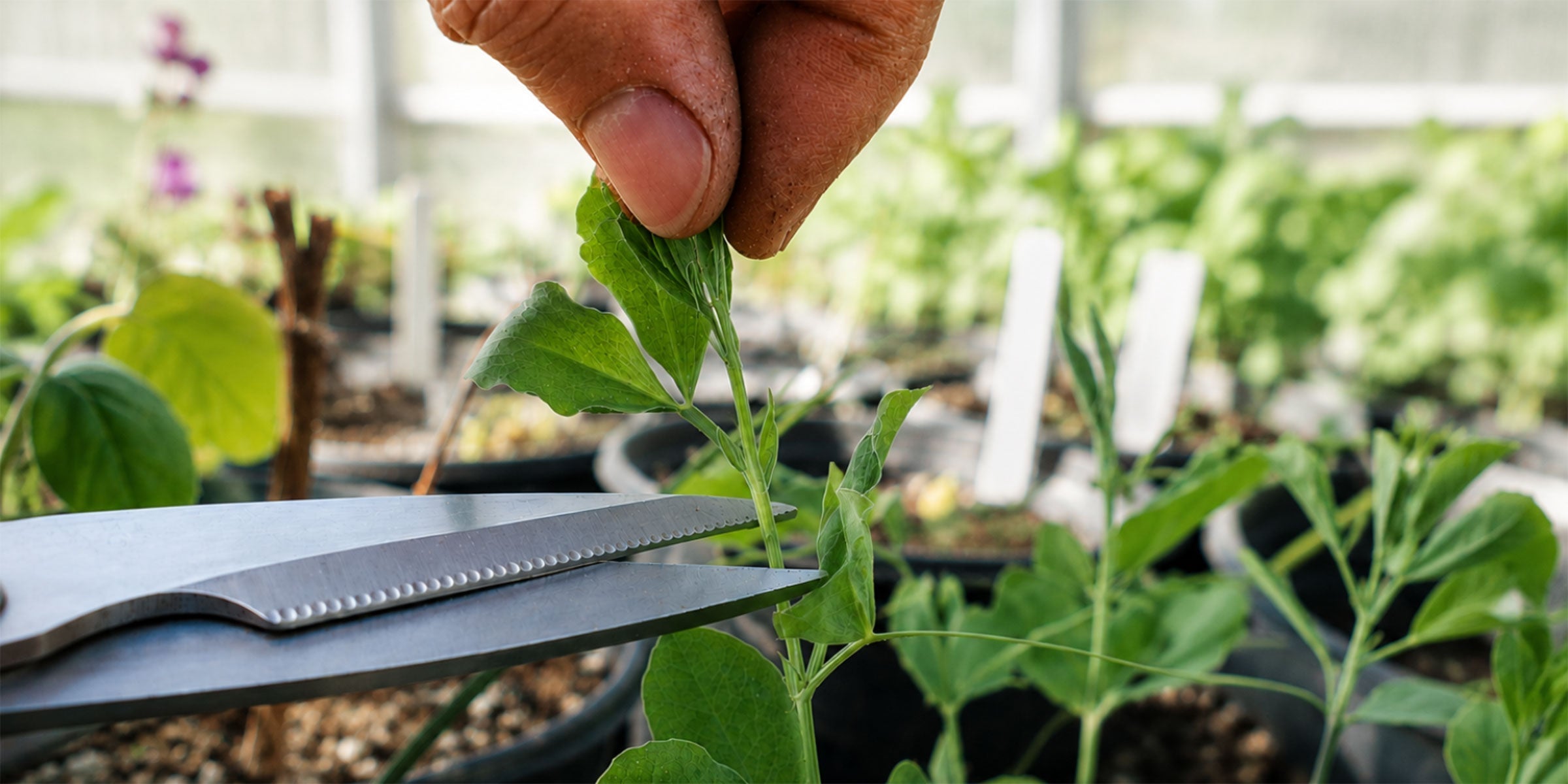
The process is straightforward: using your fingers, a sharp knife, or clean snips, remove the central growing tip of the plant.
You must make the cut or nip just above a leaf joint, ensuring that you leave at least two or three healthy side shoots to take over as the future main vines. These lateral growths will rapidly accelerate, often becoming significantly thicker and stronger than the original central stem would have ever been.
While some modern methods suggest pinching is not strictly necessary for every plant, it remains a proven strategy for maximizing your garden's floral yield.
Leave a comment
This site is protected by hCaptcha and the hCaptcha Privacy Policy and Terms of Service apply.