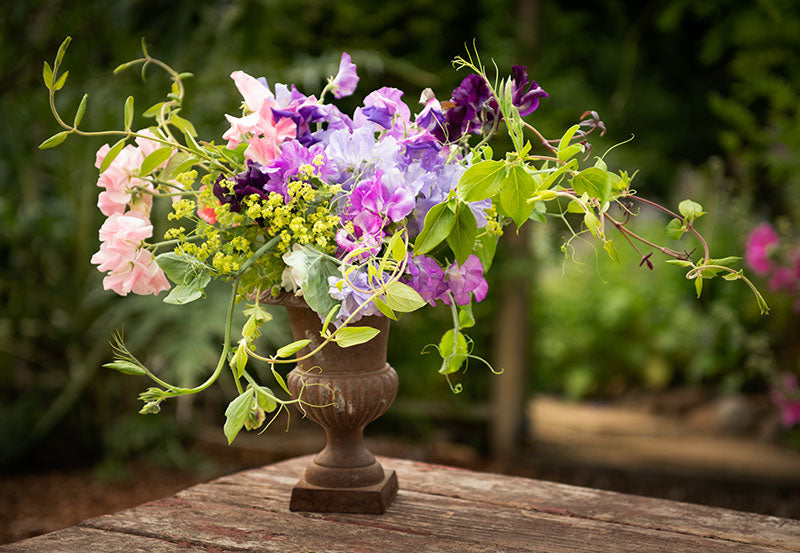
Quick Facts
- Botanical Name: Lathyrus odoratus
- Classification: Spencer
- Petal Pattern: Varies by release (ranging from solid self-colors to delicate stripes)
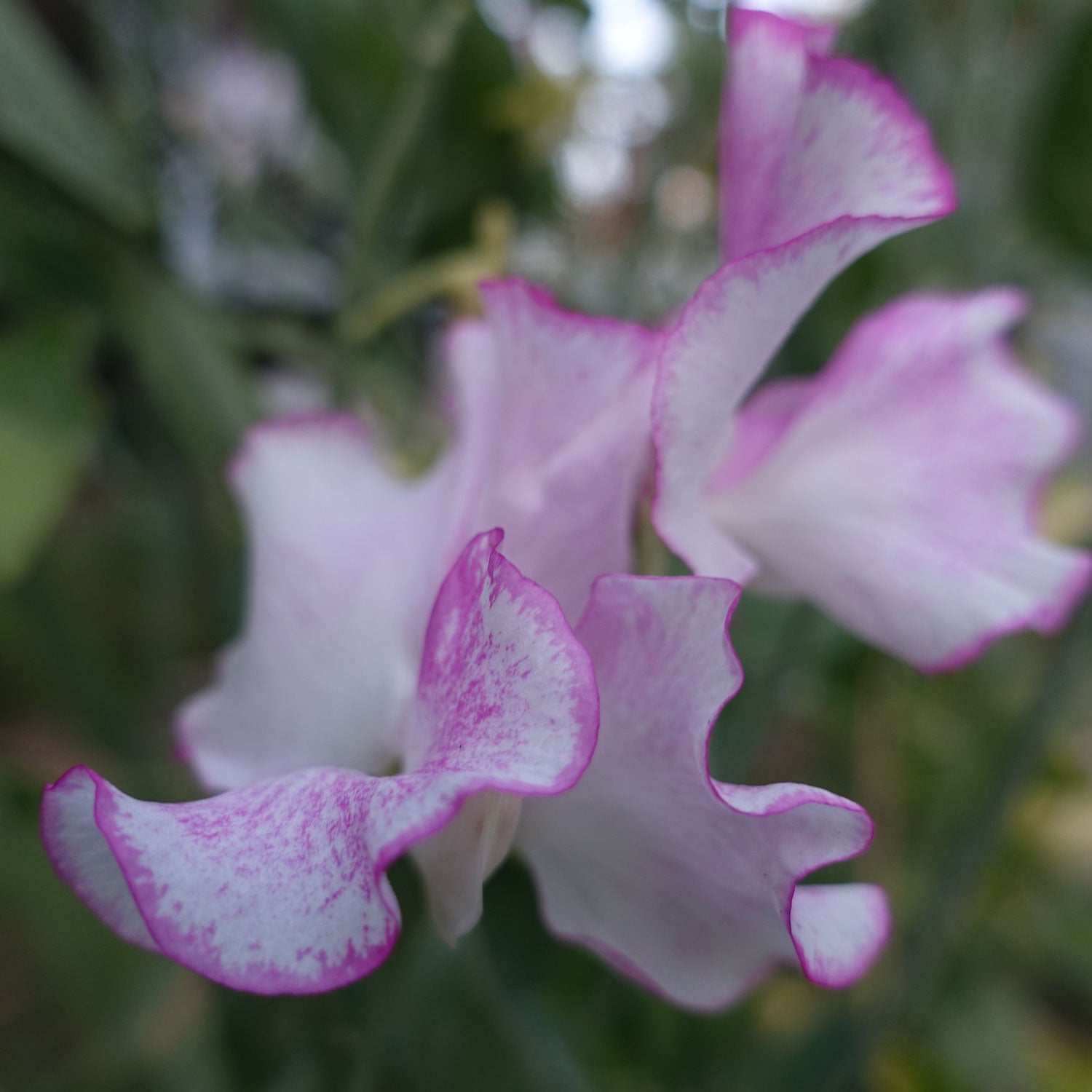
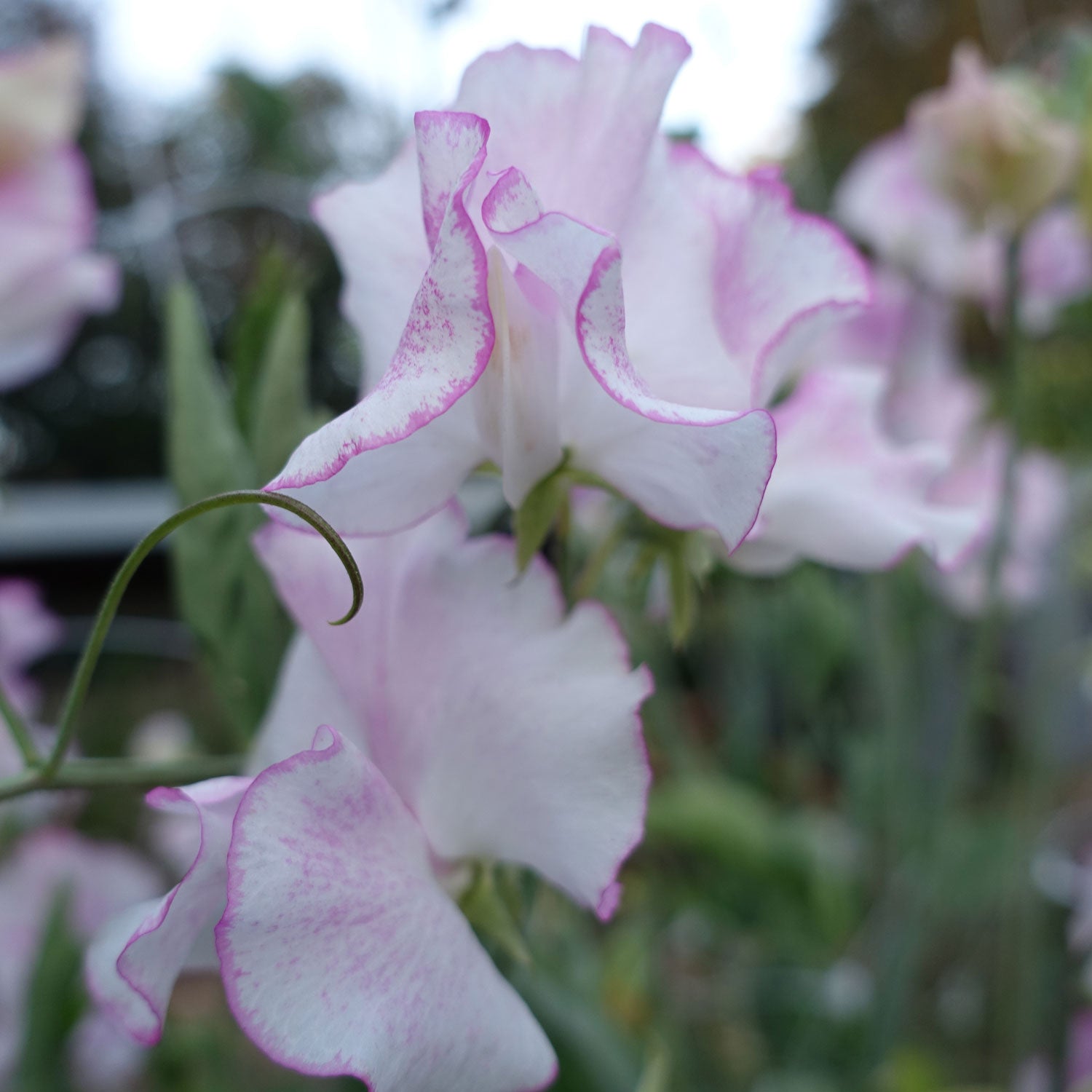
- Color Profile: Varies widely (ranging from rose pink to warm salmon, deep carmine, and cerise-pink stripes)
- Fragrance: Mild to moderate
- Breeder: Miss Hemus / Anton Zvolanek / W. Walker (Dobbie & Co.) / Unwins
- Year Introduced: 1912, 1923, 1964, and 1998
- Flowering Type: Varies by release (predominantly Summer-flowering/Long-day, with one Winter-flowering/Short-day variety)
Overview
The evocative name 'Comet' has been bestowed upon a fascinating succession of different sweet pea cultivars over the past century. While the specific aesthetics have changed drastically from generation to generation—shifting from early rose-pink introductions to winter-blooming salmon varieties, bold carmine solids, and eventually modern striped blossoms—all of them share the large, beautifully ruffled petals that define the highly desired Spencer class. Regardless of which specific lineage you happen to be growing, these vines bring elegant texture and vibrant color to both landscape designs and cut floral arrangements.
Growth Habit
Depending on the exact era of the seed you acquire, these plants generally demonstrate the highly energetic, tall-climbing growth pattern typical of the Spencer family. The summer-flowering variations demand the prolonged daylight hours of the season (typically twelve hours or more) to burst into full bloom, while the winter-blooming Zvolanek strain was specifically engineered to initiate budding during the shorter days of the year. In all cases, the vines require robust vertical trellising and are prized for producing the sturdy, elongated stalks necessary for premium cut flower production.
Cultivation Notes
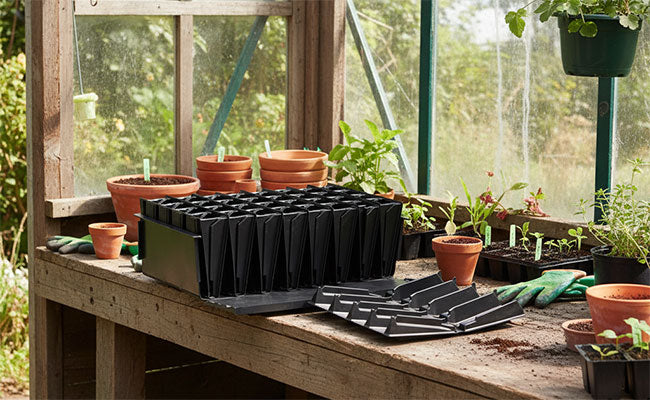
To guarantee the strongest and deepest root system, you should always start your seeds in tall, narrow cells or rootrainers rather than shallow flats. When the young vines reach approximately four to six inches in height, carefully snip off the main growing tip. This critical pruning step forces the plant to push out robust, productive lateral branches from its base, ultimately giving you a much sturdier and higher-yielding plant.
Because ideal planting windows vary drastically based on your local climate, be sure to use our Custom Zip-Code Planting Tool to identify the optimal sowing week for your specific region. (Note: Sweet pea seeds are toxic if ingested, so always exercise caution when planting around children and pets).
Historical Notes
The historical registries present a remarkable timeline for this namesake, demonstrating how commercial seed houses frequently recycle popular titles. The very first 'Comet' was a rose-pink Spencer released by Miss Hemus prior to World War I, in 1912. A decade later, the famous American breeder Anton Zvolanek introduced a winter-flowering salmon version in 1923. The name resurfaced again in 1964 for a rich carmine creation bred by W. Walker and distributed by Dobbie & Co. Finally, in 1998, the prominent British firm Unwins applied the title to a delicately striped cerise-on-white novelty.
In the Garden
‘Comet’ varieties are frequently grown for:
- Providing a reliable harvest of premium, long-stemmed ruffled cuts for professional floristry
- Bringing vigorous vertical growth to garden fences and trellises
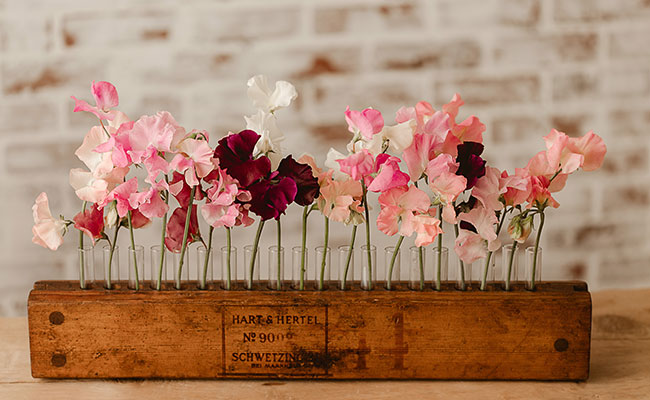
- Adding striking, large-scale Spencer blooms to mixed seasonal bouquets
Companion Planting Notes
Because the exact color of your 'Comet' might range from warm salmon and deep carmine to a light pink stripe, you should choose companions that flatter its specific hue. The brightly striped or bold carmine versions pair spectacularly with crisp white or dark, moody purple sweet peas (such as 'Almost Black' or 'Midnight'). In mixed floral designs, any of the 'Comet' releases will harmonize beautifully with classic, airy fillers such as creeping baby's breath (Gypsophila repens) or the flat, lace-like heads of wild carrot (Daucus carota).