



Article: Why Your Sweet Pea Seeds Haven’t Sprouted Yet (And Why That’s Usually Normal)

Why Your Sweet Pea Seeds Haven’t Sprouted Yet (And Why That’s Usually Normal)
Waiting on Sweet Peas? Here’s What’s Happening Beneath the Soil
If your sweet pea pots look unchanged days after planting, it’s easy to assume something has gone wrong. In reality, slow or uneven germination is entirely normal.
Sweet peas follow their own rhythm, and much of their early development happens out of sight.
If you’re just getting started, you may want to read my guide to starting sweet pea seeds, where I walk through sowing depth, containers, timing, and early care in detail. And if you’d like a more comprehensive approach that covers everything from planning and transplanting to support systems and flower production, you can find the full step-by-step method in my complete sweet pea growing ebook. This article focuses specifically on what happens during germination and why patience is often required.
Germination Is Naturally Irregular
Sweet peas rarely sprout all at once.
Even seeds from the same variety can emerge at different times. Some respond quickly, while others take longer to absorb moisture and activate growth. Before any green shoot appears above the surface, the seed first produces a root. This initial root anchors the plant and begins drawing in water and nutrients. Only after that underground work is established does upward growth begin.
An unchanged soil surface doesn’t mean nothing is happening.
The Seed Coat Can Slow Things Down
Sweet pea seeds have a firm outer shell. In some cases, that coat is thicker and takes longer to soften.
These seeds simply require more time to absorb moisture before germination can begin. A delay does not mean the seed has failed — it may still be progressing exactly as it should.
You may also have heard differing advice about soaking sweet pea seeds before sowing. Some gardeners soak seeds to soften the outer coat, while others prefer to sow them dry. I’ve written a detailed comparison in Soaking vs. Not Soaking Sweet Pea Seeds, including when soaking may help and when it can increase the risk of rot depending on your growing conditions.
Moisture Balance Is Critical
Sweet peas prefer soil that is moist but never saturated.
In most cases, watering thoroughly at the time of sowing is enough to begin the germination process. After that initial watering, additional moisture is usually unnecessary until seedlings have emerged and green shoots are visible above the soil surface. Once growth appears, regular but moderate watering can resume.
Overwatering during germination is one of the most common causes of loss. Soil that remains too wet can cause seeds to rot before they sprout. The compost should feel lightly damp — not soggy — and containers must drain freely. Allowing the surface to dry slightly before watering again helps prevent problems.
Cool Conditions Encourage Success
Sweet peas germinate best in cool soil.
The ideal soil temperature range is 50–60°F (10–16°C). When soil temperatures rise above approximately 65°F (18°C), germination may become slower and more uneven. Warm, wet soil in particular increases the risk of decay.
Bottom heat is not required and can actually reduce success.
Planting Depth Affects Timing
Seeds placed deeper in the soil naturally take longer to emerge.
If some seedlings are visible while others remain below the surface, small differences in planting depth are often the reason.
How to Check What’s Happening
If you’re concerned, you can gently examine one seed.
Carefully lift it from the soil and observe:
-
A swollen or split seed suggests healthy progress. Replace it carefully and allow it to continue growing.
- A swollen seed that isn't splitting can be gently nicked to encourage germination.
-
A firm, dry seed may simply have a hard coat and need more time.
-
A soft or mushy seed has likely rotted, usually due to excess moisture.
Losing a few seeds can happen. If many have rotted, conditions were likely too wet and should be adjusted.
Helping Hard Seeds Along
If you consistently encounter seeds that remain hard and inactive, lightly abrading the outer coat can help. Gently rub the seed with fine sandpaper or a nail file to create a small scratch in the surface. You can also gently “pinch” the side of the seed opposite the small scar (known as the hilum) with nail clippers. This allows moisture to penetrate more easily and can speed up germination. This method of encouraging a seed to germinate is sometimes referred to as scarification (and is occasionally called chitting).
The Takeaway
Uneven or slow germination is part of growing sweet peas. They invest energy underground before revealing visible growth, and patience is often rewarded.
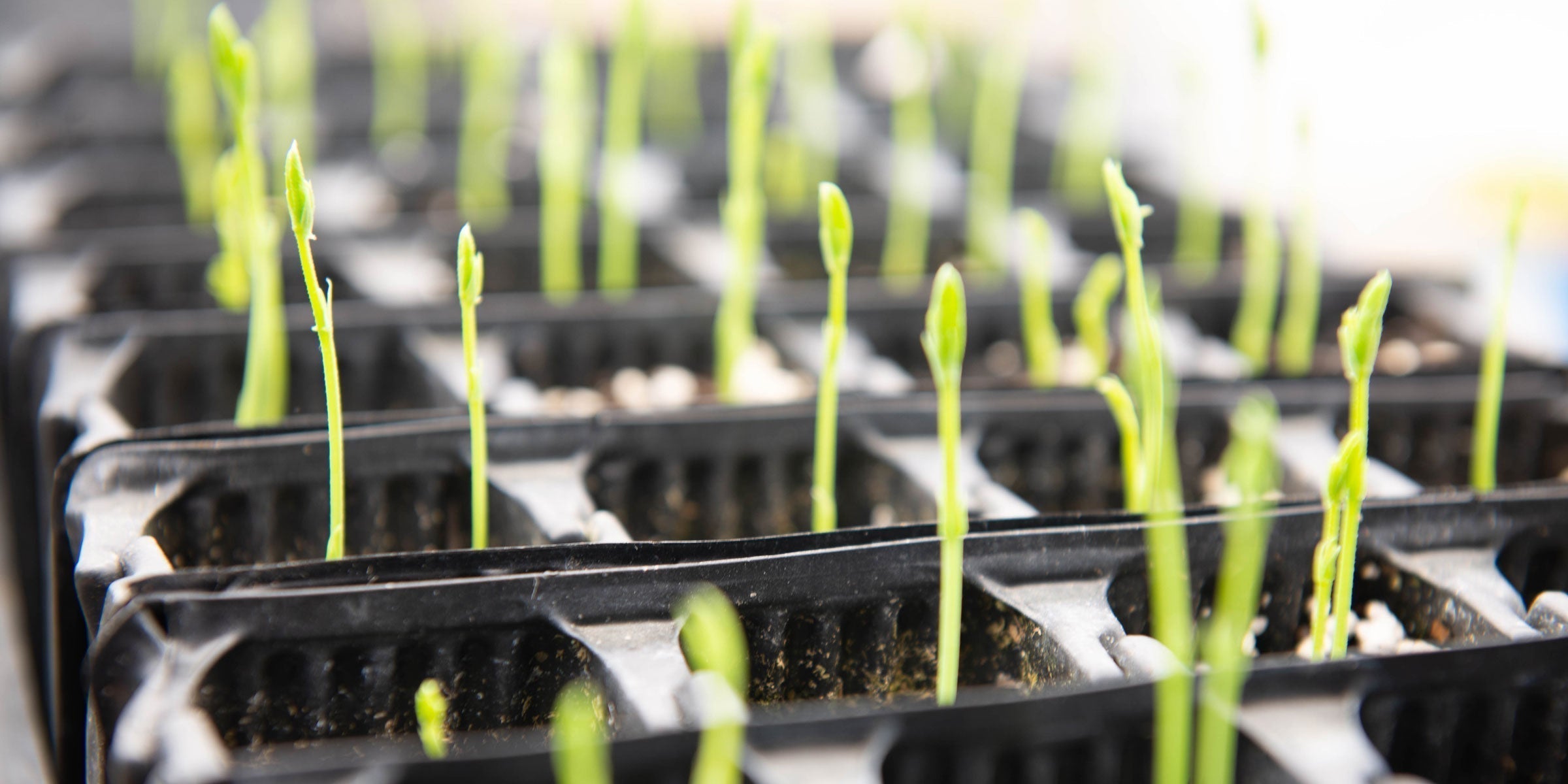
Once shoots appear, provide bright light immediately and maintain cool growing conditions. This prevents weak, stretched stems — often referred to as leggy growth — and helps young plants develop strong, sturdy structure from the very beginning.
Those quiet pots are usually working harder than you think.
Leave a comment
This site is protected by hCaptcha and the hCaptcha Privacy Policy and Terms of Service apply.