


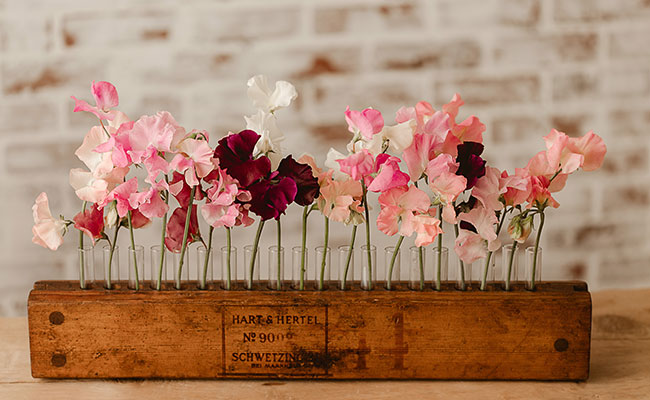

The Secret to Endless Sweet Peas: A Guide to Deadheading and Harvesting
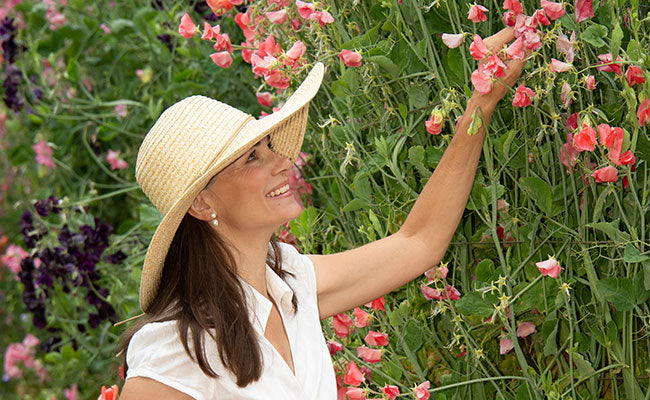
To get the most out of your sweet peas, you only need to understand one fundamental rule: the more you pick, the more they will bloom. Unlike many other garden plants, sweet peas thrive on constant cutting and deadheading, turning a simple garden chore into the secret for a summer-long abundance of flowers.
The "Why": Tricking the Plant’s Natural Cycle
To understand why deadheading is so crucial, it helps to look at the sweet pea's lifecycle. As an annual, the botanical objective of the sweet pea plant is simply to set seed. Once a flower fades and is allowed to develop a crop of seed pods, the plant shifts all of its energy and resources into ripening those seeds at the expense of creating any further blooms.
When a flower begins to set seed, it essentially signals to the plant that its life cycle is nearing completion, prompting it to drastically slow down or halt flower production. By continually harvesting fresh flowers and deadheading (removing) any spent or fading blooms before they can go to seed, you actively prevent the plant from fulfilling this goal. This stimulates the sweet pea to keep setting new buds and extends the flowering season significantly.
How to Spot a Bloom That Is "Past Its Prime"
To keep your vines highly productive, you need to know exactly what to look for when inspecting your plants. A bloom is past its prime when the petals begin to wither, lose their vibrant color, and develop a papery or slightly dehydrated texture. As the flower ages, the reproductive organs inside the keel finish their job, the petals drop off, and you will clearly see a small, green seed pod starting to develop and swell in the center where the flower used to be. If you see these tiny pods forming, or notice blooms with papery, drooping petals, you must snip them off immediately to stop the plant from shifting its energy toward seed production.
The "How": Proper Techniques for Cutting
When it comes to removing blooms from the vine, the goal is to make a clean break without damaging the main plant. There are two preferred methods for harvesting and deadheading:
- Using Snips: Use a very sharp pair of scissors, clippers, or a penknife to cut the flower spikes. Always make your cut as close down to the axil (the junction where the flower stem meets the main vine) as possible.
- The "Pluck" Method: Alternatively, you can seize the flower stalk firmly at the very base and use a sharp, quick upward pull or side movement so that the entire stem pops cleanly away from the axil socket.
Whichever method you choose, never leave jagged, wounded, or protruding pieces of the stem behind. Leaving damaged stems creates an entry point for decay and fungal spores, which can ruin a healthy vine. Additionally, never try to roughly pull or pick a spike with just your fingers, as tearing the vine can severely damage the plant.
The "When": Frequency and Timing
Sweet peas are incredibly fast growers and should be checked and picked frequently—preferably every single day. Even with a strict daily harvesting routine, it is easy to miss a few hidden blooms, so you must remain vigilant about deadheading any flowers that are past their prime. (Note: if you are harvesting flowers for a vase, the ideal stem will still have at least two unopened flowers at the very tip.)
For the absolute best results, do your harvesting and deadheading in the early morning or early evening. During these cooler parts of the day, the plants are fully hydrated. If you cut or manipulate the plants during the intense mid-day heat, the remaining vines and the harvested blooms are much more likely to wilt and may struggle to bounce back.

Leave a comment
This site is protected by hCaptcha and the hCaptcha Privacy Policy and Terms of Service apply.