Quick Facts
- Botanical Name: Lathyrus odoratus
- Classification: Spring-Flowering Spencer
- Petal Pattern: Picotee
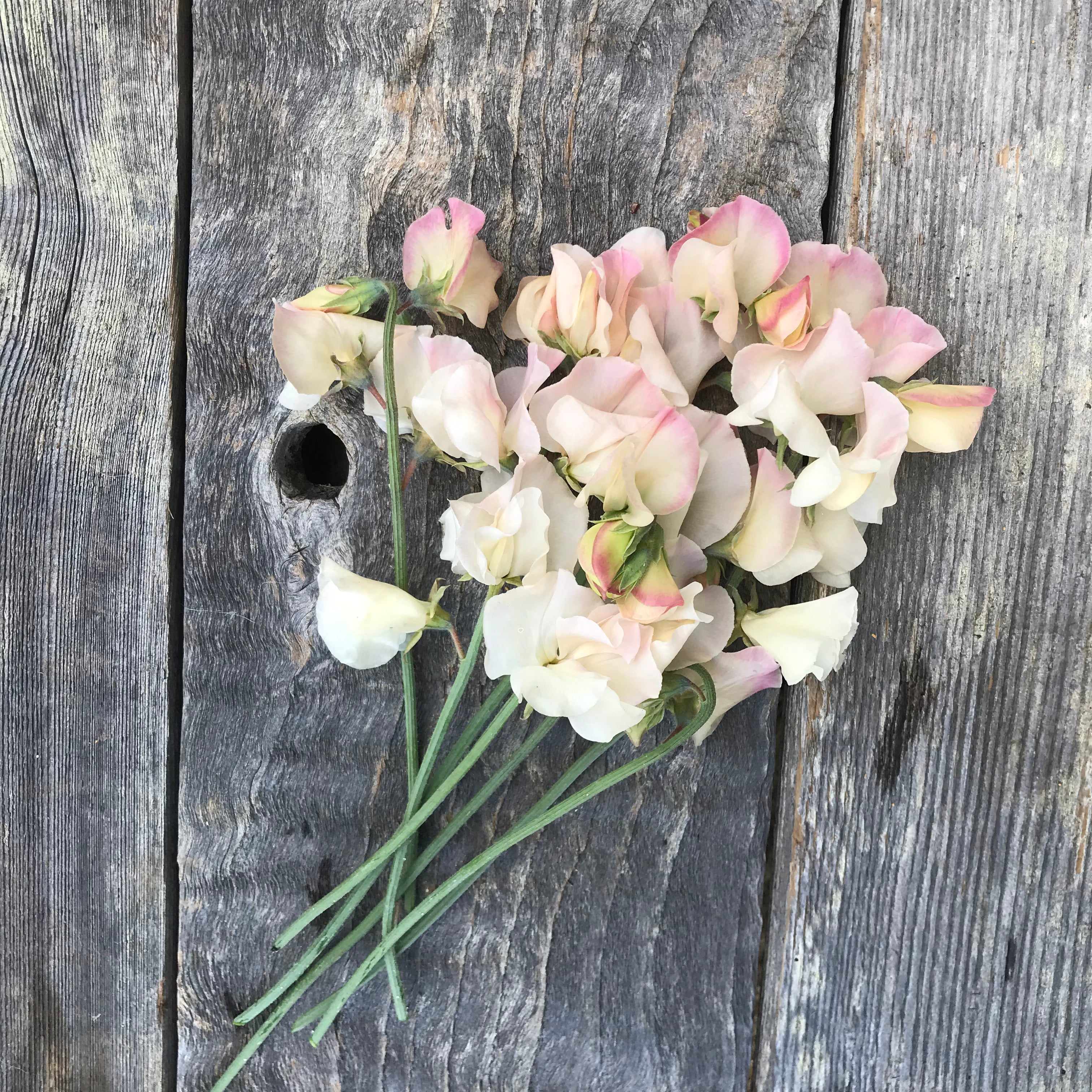
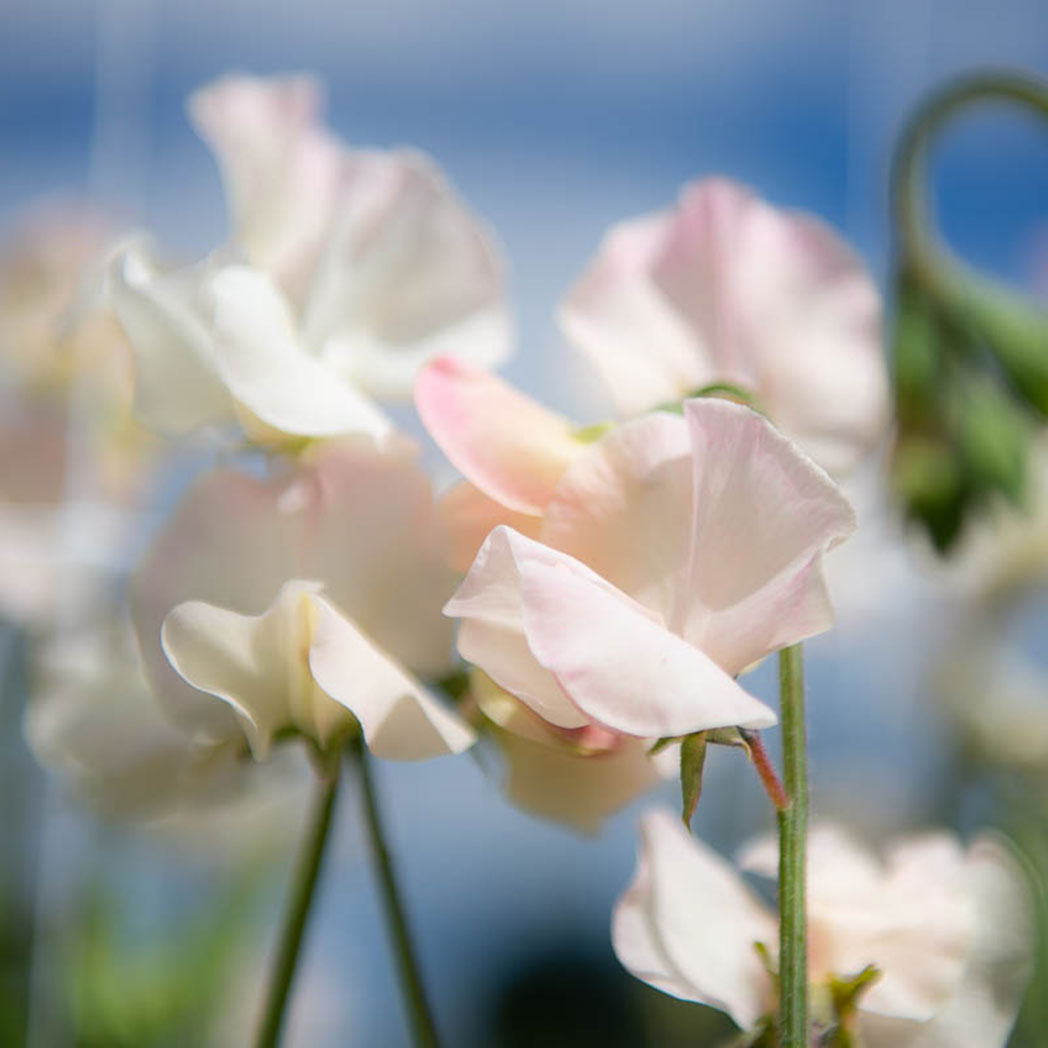
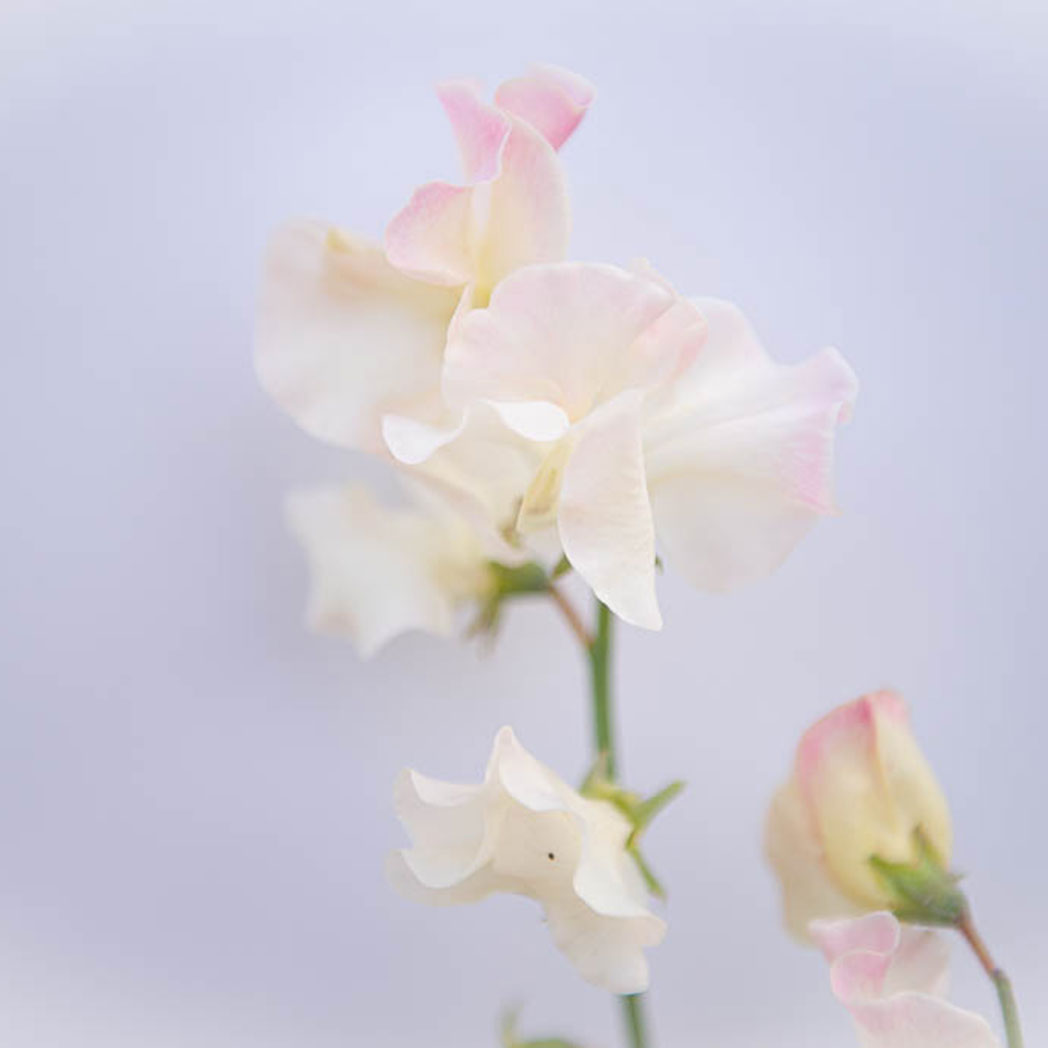
- Color Profile: Warm cream foundation bordered by a distinct rose-red or apricot-pink picotee margin
- Fragrance: Highly Scented
- Breeder: Dr. Keith Hammett
- Year Introduced: Modern Introduction
- Flowering Type: Early / Spring-flowering (requires approximately 11 hours of daylight to initiate blooms, allowing for an earlier harvest than standard summer types)
Overview
'Bix' is a remarkably elegant, early-blooming sweet pea that exudes vintage charm. The exceptionally frilly, large blossoms showcase a luminous cream base delicately painted with a sharp, rosy-pink edge. Beyond its highly desirable romantic coloring, it is celebrated for an intense, heavy perfume and excellent stem length—frequently producing up to five blossoms per stem. Because it is a spring-flowering variety, it gives growers a valuable head start on the season, making it a premier choice among floral designers for early wedding bouquets and premium spring arrangements.
Growth Habit
Exhibiting the energetic climbing traits expected of a Spencer, 'Bix' is a vigorous vine that can easily reach heights of six to eight feet. It demands a sturdy vertical support system, such as a tall trellis, netting, or a garden arbor, to accommodate its upward stretch and to ensure the plant produces the long, straight stems (often 6 to 16 inches) necessary for cut-flower use.
Cultivation Notes
To achieve the best results, sow seeds in deep modular containers (pre-soaking them in room-temperature water for 24 hours can aid sprouting, and darkness is required for germination). Transplant the seedlings into a deeply prepared, well-nourished bed once the risk of severe frost has passed. Pinching out the central growing tip when the young vines are around four to six inches tall will encourage the development of strong, productive lateral branches. Ensure the plants receive full sun and maintain consistent soil moisture. To maximize vase life, harvest the stems when about half the blossoms are open, leaving one or two closed buds at the very tip.
Historical Notes
This exquisite cultivar was developed by the legendary contemporary plant breeder, Dr. Keith Hammett of New Zealand. He affectionately named this variety in honor of the English village where his mother spent her childhood. It was specifically bred to serve as a warm, cream-ground counterpart to his internationally famous white-ground picotee introduction, 'High Society'.
In the Garden
Grown for: Supplying an abundance of intensely fragrant, early-season cut flowers for delicate spring bouquets, and adding a touch of vintage, climbing beauty to fences and cottage borders.
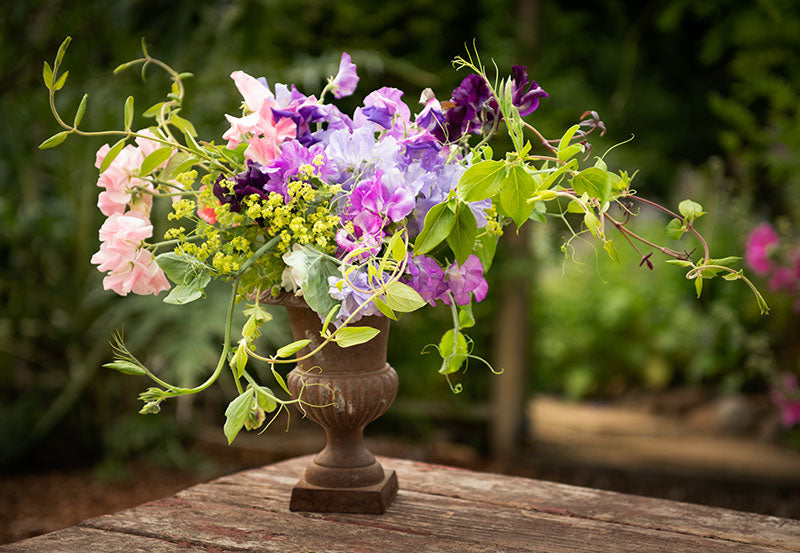
Companion Planting: Because of its soft cream and pink picotee palette, it is a brilliant harmonizer for early-season displays. It pairs flawlessly with solid warm creams to emphasize its luminous base, or it can be blended with clear, early pinks (such as 'Pink Nines' or 'Piggy Sue') for a highly romantic, pastel springtime harvest.